
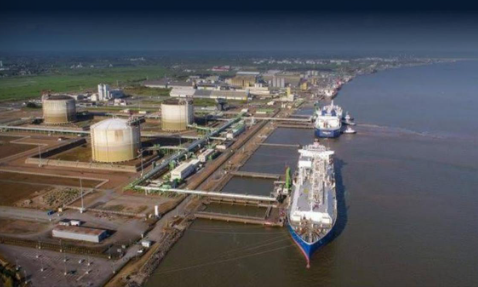
In 2021, the EU imported 88% of the gas it consumed, with Russia alone covering 43% of that. Four years later, that figure has collapsed by 76%. On paper, Europe won its bet: it weaned itself off Russian gas faster than almost anyone thought possible.
But that success raises a question few are willing to ask out loud: has Europe truly regained its energy sovereignty — or has it simply changed masters?
A victory with a price tag — and not just a financial one
Behind the reassuring curves lies a fundamentally different system: more flexible, but also more exposed to forces Europe no longer controls. LNG cargoes originally bound for Europe suddenly rerouted elsewhere. Crises thousands of kilometers away landing directly on European households’ and industries’ energy bills. A continent that has, almost unwittingly, become the buyer driving up prices for everyone.
A dilemma every country is solving its own way
Germany, France, Spain, Poland, Romania: each has made radically different choices in the face of the same constraint. Some have bet on infrastructure, others on domestic production, and some quietly continue to rely on Russian gas. This fragmentation raises a central question for the continent’s future — one our study addresses with concrete answers.
What the Arthur Hunt Strategy study reveals
Europe’s Gas Dilemma unpacks the mechanics of this transformation in depth, quantifies the real costs of the shift to LNG, assesses the feasibility of every lever available to phase out Russian gas, and provides a country-by-country strategic outlook.
Essential reading for anyone who needs to anticipate the next moves in Europe’s gas market — whether for industrial strategy, investment decisions, or energy policy.
Want to receive the full study? Contact-us.